In brief
The Saudi–Bulgaria Convention’s Protocol combines qualifying related-enterprise project periods and restricts specific activity exclusions.
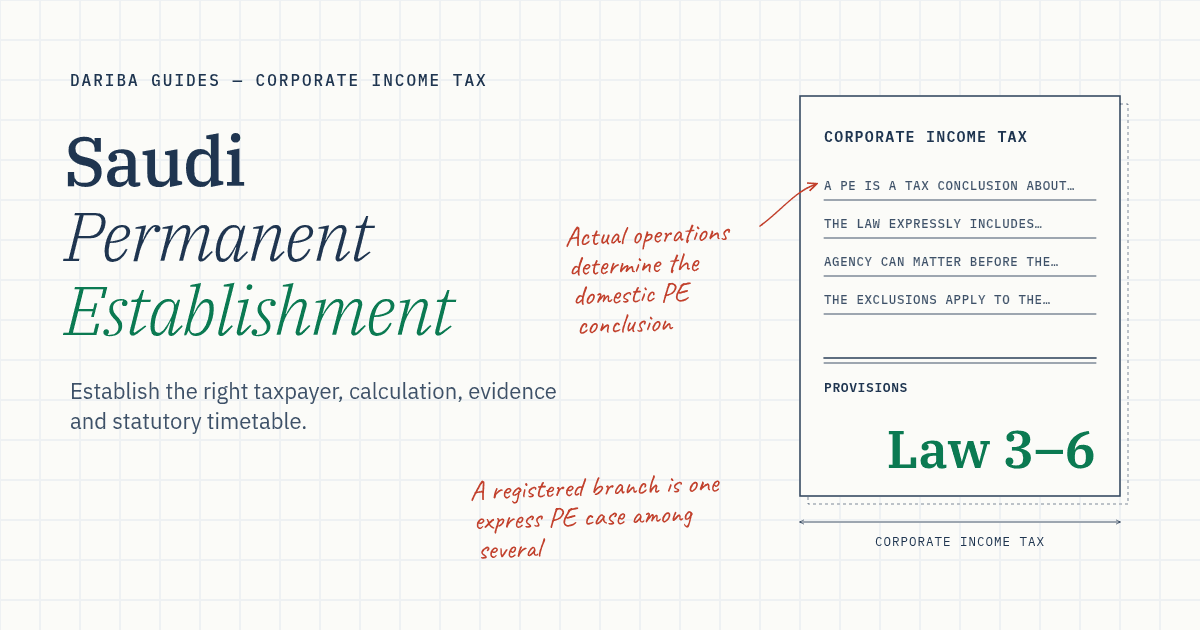
A Bulgarian contractor should assess how its Saudi project relates to work by other group entities. The Saudi–Bulgaria Double Taxation Convention has its own rules on connected work and activity exclusions in the Protocol.
Build the site and service records
Article 5(3)(a) covers listed construction, assembly, installation and associated supervision continuing for more than six months. Article 5(3)(b) addresses services through staff or other personnel on the same or a connected project for more than six months in aggregate within any 12 months.
Under Protocol paragraph 1(a), if the first enterprise’s specified site or supervisory activities aggregate no more than six months, add qualifying connected work at the same site by closely related enterprises in different periods each exceeding 30 days. Use actual mobilisation and site records and the control or ownership test in paragraph 1(c).
Review agents and complementary functions
Article 5(5) covers habitual conclusion of qualifying contracts and habitual performance of the principal role leading to contracts routinely concluded without material modification. It also covers specified habitual stockholding and delivery. Check applicable exceptions and the independent-agent conditions in Article 5(6).
Protocol paragraph 1(b) can remove an Article 5(4) exclusion when complementary activities are part of a cohesive business operation. Review whether either location is already a PE or whether the combined activity is more than preparatory or auxiliary under that paragraph. Document what the warehouse, site team and sales agent each do.
Trace taxable profit
Article 7 limits source-state taxation to attributable PE profits. Article 7(5) protects covered merchandise export profit and addresses profit from other export-contract activities performed through a PE. A contractor should reconcile the goods revenue, local project activity and costs, and apply the expense and internal-charge rules in Article 7(3).
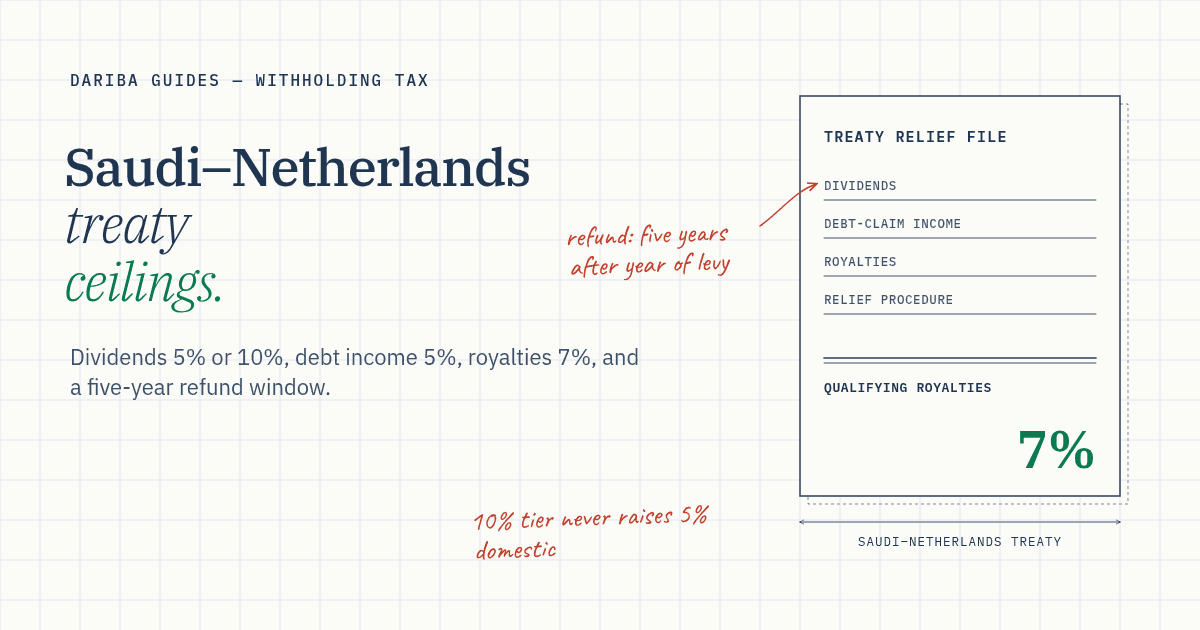
Article 28(3) preserves the domestic tax rules for non-resident insurance income and caps tax on such income at 5% of gross income. Review insurance separately if it forms part of the arrangement.
Sources
- Saudi–Bulgaria Convention for the Avoidance of Double Taxation with Respect to Taxes on Income and the Prevention of Tax Evasion and its ProtocolArticles 5, 7 and 28, and Protocol paragraphs 1 and 2.
- ZATCA, Bulgaria ConventionEntry into force on 1 November 2018.
- OECD, Sixth Peer Review Report on Treaty Shopping, BulgariaThe Saudi agreement is listed as implementing the standard through its bilateral principal purpose test.